


Neuromuscular Relaxation - The art of letting go, from within.

Vitametik was the first Neuromuscular Relaxation technique I came across and got to experience the full benefits of it for my wellbeing. Reducing chronic headaches, which after lots of tests and scans doctors dismissed as 'You must imagine them', was one of the biggest shifts that happened for me. Other Neuromuscular Relaxation techniques, Progressive Muscle Relaxation and Autogenic Training, I came across much later, trying to help myself with sleep, nervous system regulation and stress.
But what really is Neuromuscular Relaxation?
Neuromuscular Relaxation - like blowing the seeds of a dandelion.

Neuromuscular Relaxation helps you to gently unwind tension held deep within the body's muscular and nervous systems. It’s not just about “relaxing” in the casual sense — it’s a deliberate, embodied process that helps recalibrate the communication between your brain and your muscles.
Think of it as a dialogue between your body and your soul. When stress, trauma, or repetitive strain accumulate, the body often responds by tightening — like a pulley system stuck mid-motion. Neuromuscular relaxation invites those pulleys to soften, restoring fluidity and ease.
How Do You Do It?
There are several approaches, but the essence lies in conscious release and guided awareness. Here are a few of my favourite methods:
Vitametik: A gentle manual impulse that signals the nervous system to reset, often experienced as a wave of release through the body.
Progressive Muscle Relaxation (PMR): Targeted tensing and releasing of muscle groups in sequence to heighten awareness and promote relaxation.
Somatic Practices: Tuning into internal sensations and allowing micro-movements to guide release.
Breathwork & Visualization: Using breath as a bridge between mind and body, often paired with imagery (e.g., imagining tension melting like wax).
Autogenic Training – (Self-)guided practice using verbal cues (e.g. “my arms are heavy”) to induce relaxation through autonomic regulation
The key is in the subtlety of those methods. Neuromuscular relaxation isn’t forced — it's like a gentle breeze. And your body moves with it, just like grass moves in the wind.
Why Would I Do It?
Your body remembers everything — even what your mind seems to forget. Holding tension is the body's way to cling on to those memories. And this is where Neuromuscular Relaxation can help:
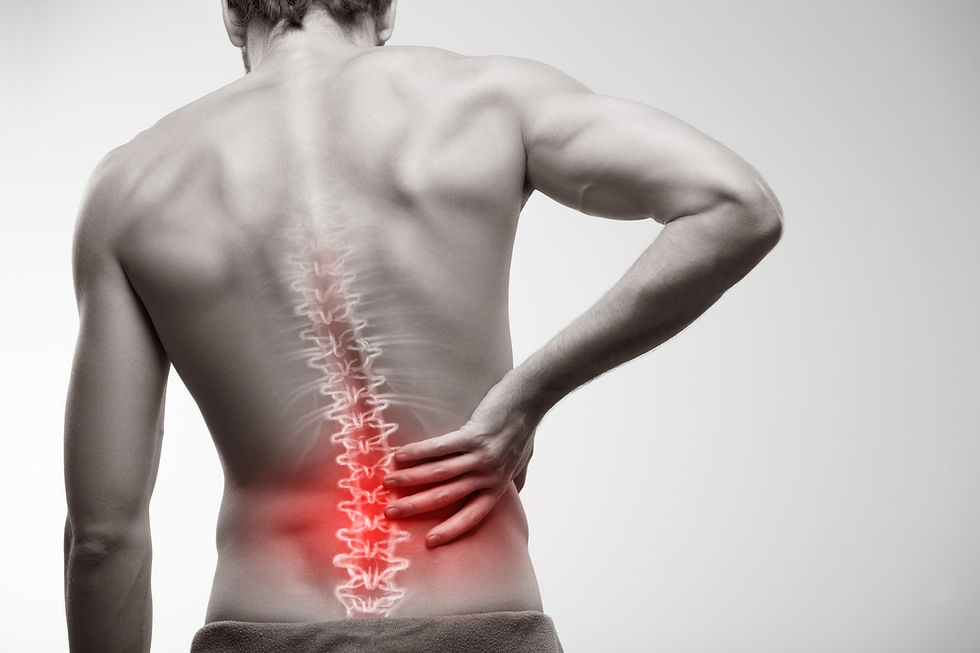
Chronic muscle tension and pain
Stress and emotional overwhelm
Sleep disturbances
Postural imbalances
Feeling disconnected from your body
It’s not just physical relief — it’s a return to presence. Many people report feeling lighter, more grounded, and emotionally clearer after a session.
And there is one thing no one tells you about Neuromuscular Relaxation:
It’s not always about doing more, intense workouts or sessions where you are — sometimes its about being gentle and about allowing and trusting the process.
In a world obsessed with effort and achievement, Neuromuscular Relaxation teaches one radical truth: healing often begins when you stop trying to fix yourself. The body knows how to heal itself — but it just needs your permission and the space to do it.
Healing can stir unexpected emotions, memories, or insights. That’s not a flaw — it’s a feature. When the body softens, the mind is allowed to speak.
At RelaxBeyond we offer Neuromuscular Relaxation as part of our holistic stress management and stress symptom relief tools. Book your free discovery call today to find out how Vitametik, Autogenic Training or Progressive Muscle Relaxation can help you manage your stress, naturally and holistically.
Comments